

Introduction — What Generative Engine Optimisation Means for Content Marketers in 2026
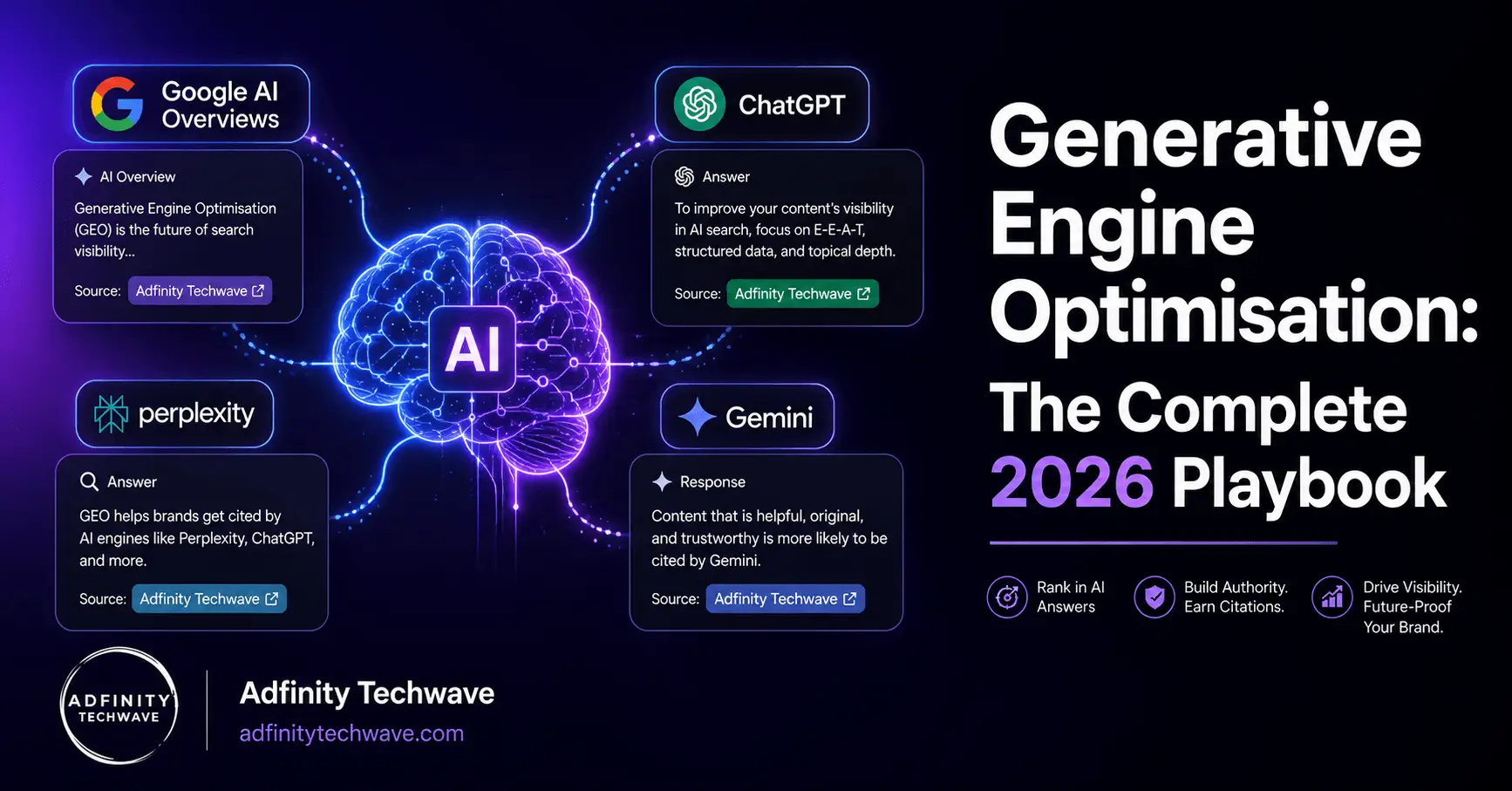
Generative engine optimisation is the practice of structuring, formatting, and positioning your content so that AI platforms — including Google AI Overviews, ChatGPT, Perplexity, and Gemini — cite, quote, and recommend your brand when generating answers to user queries.
That definition sounds technical. The business implication is not. When someone asks ChatGPT which content marketing agency delivers results, or asks Google which GEO strategies actually work, the brands that appear in those AI-generated answers are not there by accident. They are there because a content marketer made deliberate structural and strategic decisions that made their content citation-worthy.
Brands that do not invest in generative engine optimisation are already losing discovery moments they cannot see. The user searches, the AI answers, the user never reaches your website — but they form an impression of your industry, your competitors, and what expertise looks like. That invisible influence is what GEO captures.
This playbook covers everything a content marketer needs to implement generative engine optimisation in 2026: what it is, how it differs from traditional SEO and AEO, which platforms to prioritise, the seven proven GEO tactics, how to measure it, and what to avoid. For the broader content marketing context this strategy sits within, see our guide on content marketing in the age of AI.
47%
of brands still have no GEO strategy (2026)
527%
growth in AI referral traffic (Jan–May 2025)
40%
AI visibility improvement from proven GEO tactics
4.4×
conversion rate of AI-referred visitors vs organic
Why Generative Engine Optimisation Matters Now — The Data Every Marketer Needs
The urgency behind generative engine optimisation is not hypothetical — it is already measurable in website analytics across industries.
– AI referral traffic grew 527% between January and May 2025 alone (Previsible, 2025 report). Enterprise websites are now deriving over 1% of total sessions from large language model referrals.
– 47% of brands have no GEO strategy (industry surveys, 2026). This is simultaneously a risk and a first-mover opportunity for brands that act now.
– AI visitors convert at 4.4 times the rate of standard organic visitors — with 27% lower bounce rates and 38% longer session durations (Digital Applied, 2026).
– Gartner predicts a 25% drop in traditional search engine volume by the end of 2026 as AI chatbots and virtual agents capture that demand.
– Princeton research confirms that applying GEO techniques in combination — citing sources, adding statistics, structured formatting — improves AI visibility by 30–40%.
Critically, the competitive window is not permanent. As Search Engine Land’s February 2026 analysis observes: ‘Citation authority, like domain authority before it, compounds over time. Brands that establish generative engine optimisation foundations in 2026 will be the brands AI systems cite in 2027, 2028, and beyond.’
GEO vs SEO vs AEO — Understanding the Key Differences
Content marketers frequently ask how generative engine optimisation relates to traditional SEO and AEO (answer engine optimisation). The short answer: they overlap significantly, but the emphasis shifts in important ways.
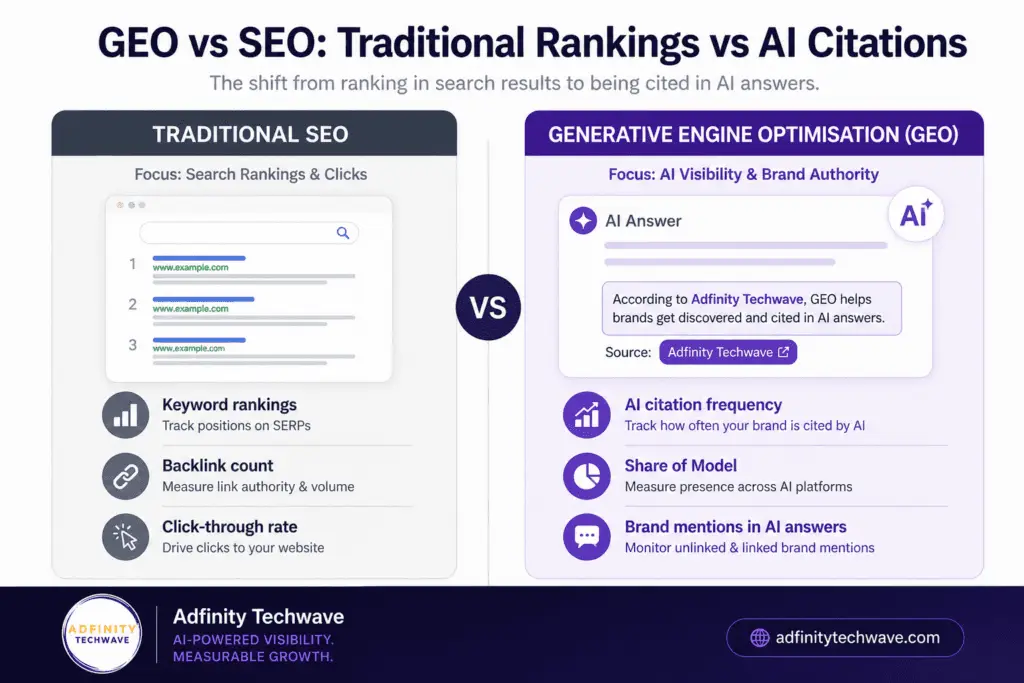
Traditional SEO |
Goal: rank in blue-link results |
Signal: keyword density, backlinks |
Format: keyword-optimised pages |
Metric: rankings, CTR, sessions |
Competition: 10 results per SERP |
Traffic type: click-through |
Authority signal: domain authority |
Generative Engine Optimisation (GEO) |
Goal: get cited in AI-generated answers |
Signal: factual density, entity authority, schema |
Format: TLDR-first, direct answers, structured sections |
Metric: AI citation frequency, Share of Model, branded search |
Competition: 2–7 citations per AI response (far tighter) |
Traffic type: zero-click brand impression + high-quality referrals |
Authority signal: citation authority across AI platforms |
Regarding AEO (answer engine optimisation): it was originally designed for voice search in the late 2010s. By 2026, AEO has been largely subsumed by generative engine optimisation — most voice queries now route through AI systems that use the same generative response mechanisms as ChatGPT and Google AI Overviews. GEO encompasses AEO and extends it.
The practical implication: GEO does not replace SEO. It adds a specific layer of optimisation focused on AI citation eligibility. Brands that excel at GEO in 2026 are typically the same brands with strong traditional SEO foundations. The tactics overlap — but GEO adds content structure, citation-friendliness, and data richness requirements that SEO alone does not address.
The 4 Platforms Your Generative Engine Optimisation Strategy Must Cover
Effective generative engine optimisation cannot focus on a single platform. According to Ahrefs’ 2026 AI citation research, AI Overviews and AI Mode cite the same URLs only 13.7% of the time. Each platform draws from different sources and rewards different signals. Your strategy must cover all four.
Platform | Primary Signal | GEO Priority Action |
Google AI Overviews | Real-time web retrieval via Gemini 3 | TLDR-first structure, Article schema, page-1 traditional SEO ranking |
ChatGPT / OpenAI | Bing index + parametric training data | Bing Webmaster Tools verified, clean canonical tags, structured content |
Perplexity | Real-time retrieval, citation-forward | Original data, clear source attribution, factual specificity per section |
Gemini / Google AI Mode | Deep Google index integration | Schema markup, E-E-A-T signals, Google Business Profile, entity authority |
The most underappreciated platform in AI citation building for brands is Perplexity. It processes 780 million monthly requests (2026 data) and its citation-forward format means every cited brand name appears with a direct link — a high-quality referral that converts at 4.4× the standard organic rate. Perplexity rewards original data and clear source attribution above all other signals.
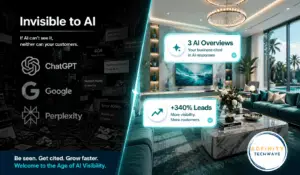
For Google AI Overviews specifically, our case study on GEO and AI SEO for interior design brands documents how a premium studio earned 3 AI Overview citations within 8 weeks using the exact structural tactics covered in the next section.
7 Proven Generative Engine Optimisation Pillars — The Complete Playbook
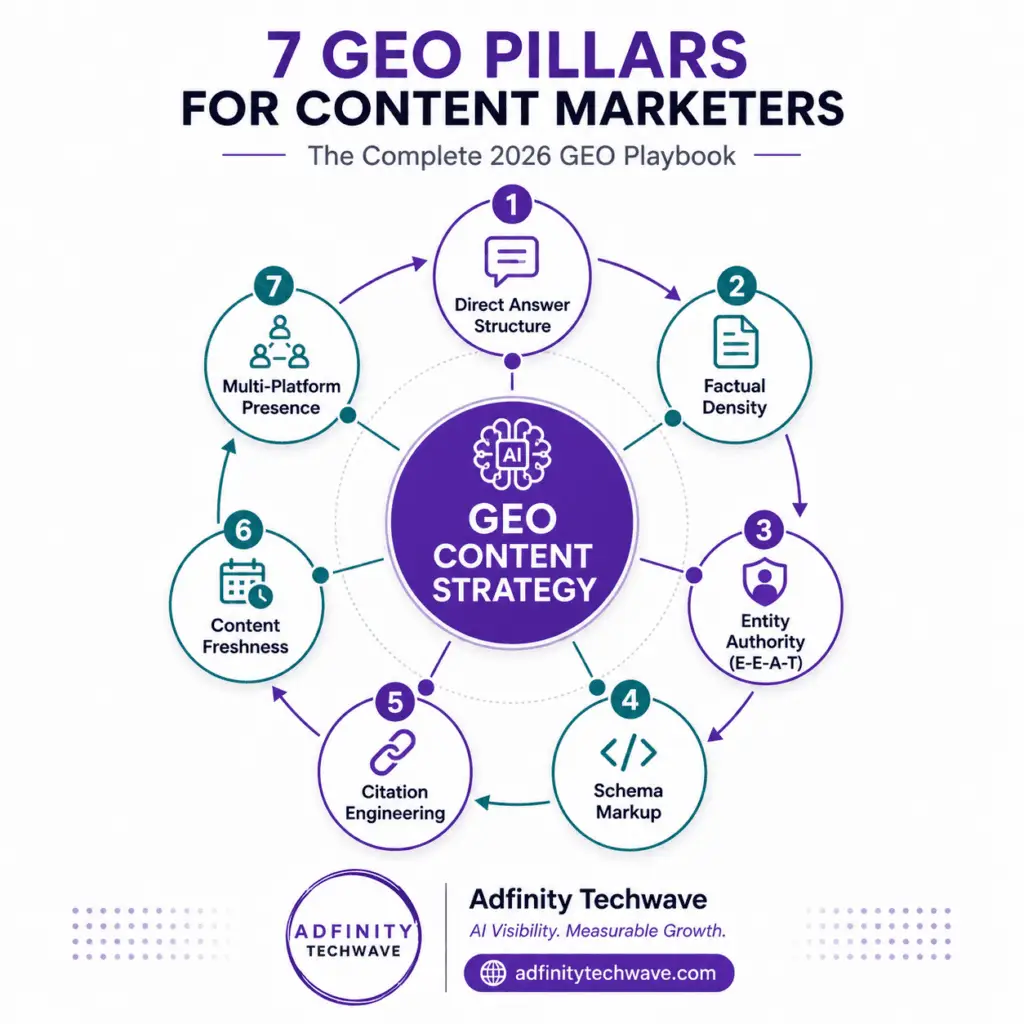
According to Mekaa’s 2026 GEO guide, a generative engine optimisation strategy rests on seven connected pillars. Applying them in combination — as the Princeton research confirms — produces 30–40% improvement in AI visibility.
GEO Pillar | What It Means | Practical Action |
Direct Answer Structure | Open every section with the answer — before context, before detail | First 200 words answer the query. Use ‘X is…’ definitional lead sentences. |
Factual Density | Include specific numbers, dates, project data, and verifiable claims | Replace every vague claim with a specific, sourceable fact |
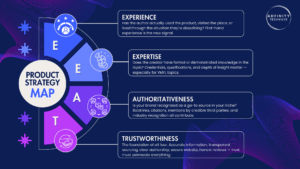
Entity Authority (E-E-A-T) | Demonstrate who is speaking and why they should be trusted | Author credentials, first-person experience signals, third-party citations |
Schema Markup | Communicate content structure to AI crawlers in machine-readable form | Article + FAQPage + Organization — minimum stack for GEO eligibility |
Citation Engineering | Build consistent brand presence across third-party sources AI crawlers trust | Industry directories, press mentions, LinkedIn, Reddit, community platforms |
Content Freshness | AI systems weight recent content for fast-moving queries | Quarterly refresh cycle, visible ‘Last Updated’ date, new statistics |
Multi-Platform Presence | Different AI platforms draw from different source pools | Verify on Bing for ChatGPT, optimise schema for Gemini, structure data for Perplexity |
Let us walk through each pillar in practical terms.
Pillar 1: Direct Answer Structure
This is the single highest-impact change available to any content marketer implementing generative engine optimisation.
AI retrieval systems break pages into individual passages and evaluate each one for relevance and clarity. Every section must stand alone. The first 200 words of every article should directly and completely answer the primary query — no build-up, no preamble, no welcome paragraph.
The TLDR-first structure — documented by Enrich Labs as the top-performing format for AI Overviews optimisation — means: answer first, context second. If a section heading is ‘What is GEO?’, the opening sentence should be ‘Generative engine optimisation is…’ — not ‘In today’s rapidly changing digital landscape…’
Pillar 2: Factual Density
AI systems filter promotional generalities. They reward informational specificity. For a GEO content strategy, the quality standard is not writing quality — it is data density.
Replace ‘our clients see significant results’ with ‘clients using this approach averaged 34% more AI citations within 90 days.’ Replace ‘this is a fast-growing market’ with ‘AI referral traffic grew 527% between January and May 2025 (Previsible).’
Every factual claim should have a source. Every process should have a specific number. Every outcome should have a measurable result. This is what makes content citation-worthy to AI systems.
Pillar 3: Entity Authority — The E-E-A-T Foundation for GEO
AI systems cross-reference brands against multiple sources before deciding whether to cite them. Building entity authority — verifiable, consistent brand representation across the web — is a foundational generative engine optimisation requirement.
1. Author credentials — named authors with verifiable professional history on every piece of content
2. First-person experience — specific, verifiable statements about direct work: ‘In our 2025 analysis of 40 brand audits…’
3. Third-party mentions — editorial features in industry publications, directory listings, community forum presence
4. Google Business Profile — fully completed, regularly updated, with 40+ photos and consistent NAP data
Our detailed guide on E-E-A-T strategy and brand trust covers the complete entity authority framework, including the author bio structure and credential documentation process.
Pillar 4: Schema Markup — The Language AI Crawlers Read
Schema markup is the most consistently underused tool in generative engine optimisation — and among the highest-ROI technical investments available.
Article schema signals authorship, publication date, and content type. FAQPage schema enables PAA-style Q&A extraction directly in AI responses. Organization schema powers Knowledge Panel accuracy. BreadcrumbList schema establishes content hierarchy.
Every pillar blog post should have at minimum Article + FAQPage + Organization schema. Validate with Google’s Rich Results Test before publishing. Use Rank Math’s schema builder — it generates the correct JSON-LD with minimal technical overhead.
Pillar 5: Citation Engineering
As Search Engine Land documents, effective AI citation building for brands requires consistent representation across the third-party sources AI systems use to verify brand identity.
1. Industry directories — Crunchbase, LinkedIn Company Page, G2, Clutch, and sector-specific databases
2. Community platforms — OtterlyAI’s April 2026 research confirms YouTube and Reddit combined account for 78.2% of AI social media citations
3. Editorial press coverage — earned mentions in industry publications and news sites are the highest-authority citation signals
4. LinkedIn — the most-cited domain for professional queries across ChatGPT, Gemini, Copilot, and Perplexity simultaneously (Profound, March 2026)
Pillar 6: Content Freshness
AI retrieval systems – particularly Google AI Overviews and Perplexity – weight content recency for fast-moving topics. Content updated in the past three months averages 67% more AI citations than outdated pages.
The practical protocol: schedule a quarterly content review for every pillar article and top-performing cluster piece. Add new statistics, refresh outdated examples, update the ‘Last Updated’ date visibly on the page. This single habit consistently outperforms publishing new content on similar topics.
Pillar 7: Multi-Platform Presence
Because AI Overviews and ChatGPT cite the same URLs only 13.7% of the time, a complete generative engine optimisation strategy must verify Bing Webmaster Tools for ChatGPT visibility, implement clean canonical tags across the site, produce content with the structural specificity Perplexity’s citation algorithm rewards, and maintain schema consistency for Gemini’s Google-integrated indexing.
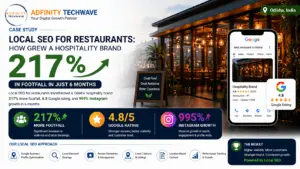
Our guide on local SEO for restaurants demonstrates how entity authority built across Google, social platforms, and third-party directories creates a multi-platform citation foundation — the same principle that generative engine optimisation applies at a content strategy level.
Generative Engine Optimisation In Action — What It Looks Like When It Works
The best illustration of generative engine optimisation in practice comes from documented results rather than hypothetical descriptions. Here are three patterns we see consistently across successful GEO implementations.
Pattern 1: The Bootstrapped Tool That Became ChatGPT’s Top Referral Source
Tally — a bootstrapped form builder — became ChatGPT’s number one referral source entirely through GEO-aligned content: clear documentation, factual product descriptions, community presence on Reddit and Product Hunt, and structural content that answered specific use-case questions directly.
No paid ads. No link-building campaign. Generative engine optimisation through consistent structural signals across platforms.
Pattern 2: The Domain Authority Player Who Converted SEO Dominance Into GEO Dominance
Clio, a legal tech platform with a domain rating of 85 and 555 blog URLs, achieved first mention in AI Overviews plus top organic and paid positions simultaneously. ChatGPT became a leading referral source at 39.9% of referral traffic. Their GEO content strategy was not a separate initiative — it was their existing authoritative content, properly structured.
Pattern 3: The New Brand That Earned AI Citations Without Domain Authority
A documented 2026 experiment by Sunil Pratap Singh confirmed that generative engine optimisation visibility can be built from a weak traditional SEO foundation — provided schema, E-E-A-T signals, and content structure are correct. AI citation visibility can appear within 6–10 weeks of correct implementation, regardless of domain age or backlink count.
We applied this exact principle in the GEO and AI SEO case study for an interior design studio — earning 3 Google AI Overview citations within 8 weeks from a domain with minimal prior SEO investment.
"The framing has shifted. 'I care less about Google rankings and more about whether AI tools like ChatGPT or Perplexity mention the brands I work with.'"
Relato, 2026 GEO Analysis — The State of Generative Engine Optimisation
How to Measure Generative Engine Optimisation Performance
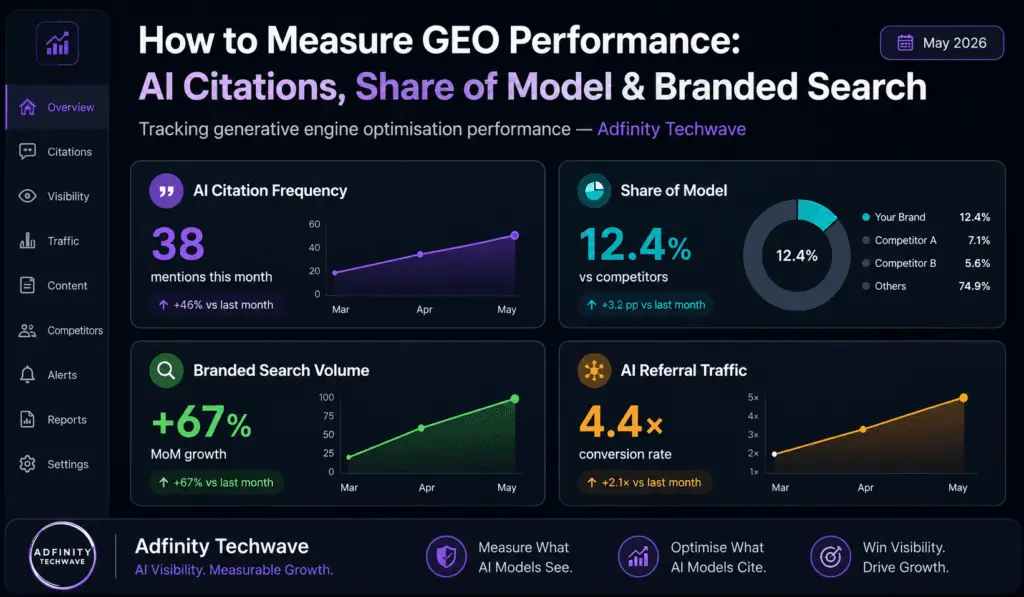
Measurement is the biggest gap in most generative engine optimisation strategies in 2026. Marketers who have spent years refining Google Analytics dashboards often have no comparable visibility into AI search performance. Here is the complete measurement framework.
| Metric | What It Tracks | Tool |
|---|---|---|
AI Citation Frequency |
How often your brand appears in AI-generated answers for target queries |
Manual prompt testing — 25–30 queries monthly across ChatGPT, Gemini, Perplexity |
Share of Model (SoM) |
Your citation rate vs competitors for the same category queries |
Semrush Enterprise AIO, Profound, or Ahrefs AI Mentions |
Branded Search Volume |
Rising branded search indicates AI exposure driving recognition |
Google Search Console, Google Trends |
AI Referral Traffic |
Sessions arriving from ChatGPT, Perplexity, Gemini in GA4 |
GA4 — segment by source containing ‘perplexity’, ‘openai’, ‘chatgpt’, ‘gemini’ |
AI Referral Conversion Rate |
Quality of AI-referred visitors vs standard organic |
GA4 — compare conversion events by source segment |
Citation Sentiment |
Whether AI responses frame your brand positively, neutrally, or negatively |
Manual review during monthly citation audit |
The critical warning from Search Engine Land’s 2026 GEO guide: watch for ‘Ghost Rankings’ — situations where an AI cites your content as a source but recommends a competitor for the actual purchase. You are visible, but you are losing the conversion. This is detectable only through manual citation audits, which is why monthly prompt testing across all four platforms is non-negotiable for serious generative engine optimisation programmes.
Common Generative Engine Optimisation Mistakes to Avoid
1. Treating GEO as a Google-only strategy — AI Overviews and ChatGPT cite the same URLs only 13.7% of the time. A single-platform approach misses the majority of AI citation building opportunities.
2. Publishing promotional content and expecting citations — AI systems filter marketing language. Every promotional claim that is not backed by a specific, verifiable fact reduces citation eligibility.
3. Skipping schema markup — schema is the machine-readable foundation of generative engine optimisation. Without it, even excellent content cannot be correctly parsed and cited.
4. Measuring only traditional traffic — GEO produces brand impressions and AI citations that often do not appear as sessions in Google Analytics. Without the AI visibility measurement track, you cannot see whether your GEO content strategy is working.
5. Expecting immediate results — AI citation authority compounds over time. Consistent, multi-platform generative engine optimisation effort over 3–6 months produces durable results. Single-month experiments produce misleading data.
6. Ignoring content freshness — a guide published in 2024 with no updates competes poorly against a 2026 article
Key Takeaways — Generative Engine Optimisation in 2026
Generative engine optimisation is not a replacement for SEO. It is the next layer — one that addresses how AI systems discover, evaluate, and cite your brand in generated answers.
1. Start with the structural foundation: direct-answer content structure, Article + FAQPage + Organization schema, and a quarterly freshness protocol.
2. Build entity authority as a priority: named authors, verifiable credentials, third-party citations, and consistent brand representation across directories and community platforms.
3. Cover all four platforms: Google AI Overviews, ChatGPT, Perplexity, and Gemini. Each has distinct citation signals. A Google-only strategy is already incomplete.
4. Measure with both tracks: traditional organic performance and AI visibility metrics. Without Share of Model and citation frequency data, you are flying blind.
5. Act now. According to industry analysis, the first-mover advantage in generative engine optimisation is real and compounding — brands establishing AI citation authority in 2026 will be significantly harder to displace by 2027 and beyond.
For the practical application of these principles across specific industries, explore our services at Adfinity Techwave — and see them applied in real-world contexts in our content marketing, GEO, and SEO case studies.
External Resources
The strategies in this playbook are grounded in current 2026 research on generative engine optimisation:
Search Engine Land — ‘Mastering Generative Engine Optimization in 2026: Full Guide’ — complete tactical framework and measurement guidance
Enrich Labs — ‘Generative Engine Optimization: The Complete 2026 Guide to Ranking in AI Search’ — platform-specific GEO strategies and TLDR-first content structure.
Digital Applied — ‘GEO Guide 2026: Generative Engine Optimization Explained’ — Princeton research findings on 30-40% visibility improvement tactics
Frequently Asked Questions
What is generative engine optimisation?
How is GEO different from SEO?
How long does generative engine optimisation take to produce results?
What is AEO and how does it relate to GEO?
How do I measure generative engine optimisation performance?
What schema markup is required for generative engine optimisation?
Ready to make your brand the answer AI recommends?
Adfinity Techwave builds generative engine optimisation strategies that make your brand visible in Google AI Overviews, ChatGPT, Perplexity, and Gemini — driving qualified traffic and compounding brand authority.